Storm Damage Roof Repair in Charleston, SC

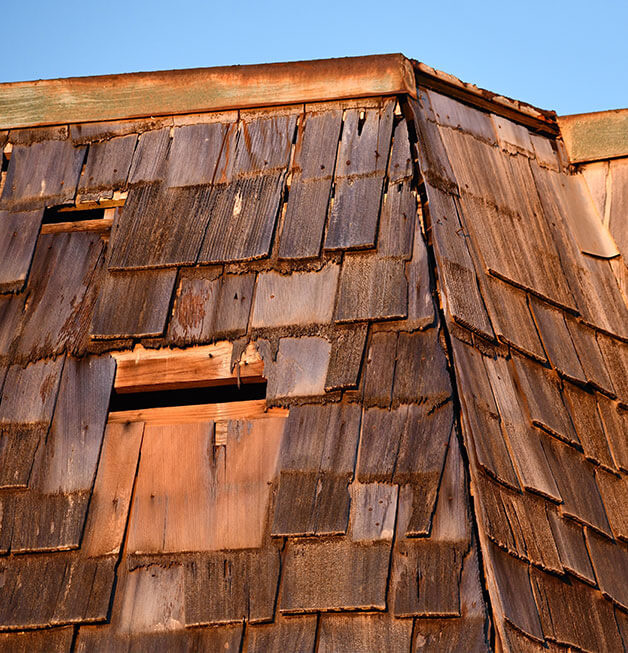
Coastal storms can cause roof damage that looks minor from the ground, but lifted shingles, broken seals, displaced ridge caps, and bent flashing can all let water in long after the storm passes.

Charleston Roofing and Exteriors handles storm and wind damage throughout the Charleston area, including West Ashley, Mount Pleasant, Summerville, Moncks Corner, and Johns Island, from emergency tarping and documented inspections to permanent repairs once conditions are safe.

Licensed & Insured Local Charleston Team 15 Years of Experience 5-Star Homeowner Reviews We Do the Work Ourselves
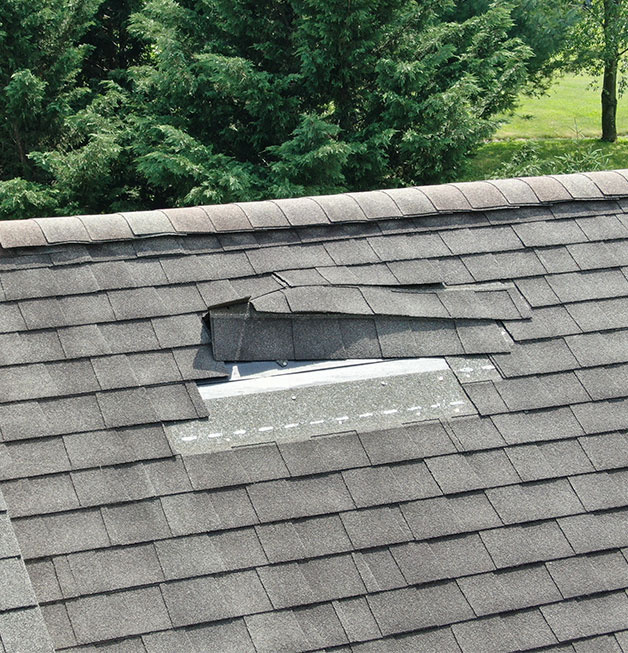
What to Do After a Charleston Storm

The best next step is to protect your home from further damage, document what you can, and have the roof inspected before the next round of severe weather.

01Stay off the roof.

Damaged or wet roofing can be unsafe to walk on. Leave the roof inspection to a professional.

02Take photos from the ground.

Photograph missing or damaged shingles, debris, damaged gutters, visible roof damage, and any water stains inside the home.

03Protect the interior.

If water is coming in, use buckets to catch drips and move furniture, electronics, and other belongings out of the area.

04Call for a storm inspection.

We’ll inspect the roof, document what we find, and use temporary protection to help keep additional water out.

05Keep the damage documented.

If you plan to file an insurance claim, photos and a professional inspection give you a record of the roof’s condition before permanent repairs begin.

What Charleston Storms Can Do to a Roofing System

Lowcountry storms bring high winds, heavy rain, hail, and falling debris, and the resulting damage is not always obvious. We commonly find:

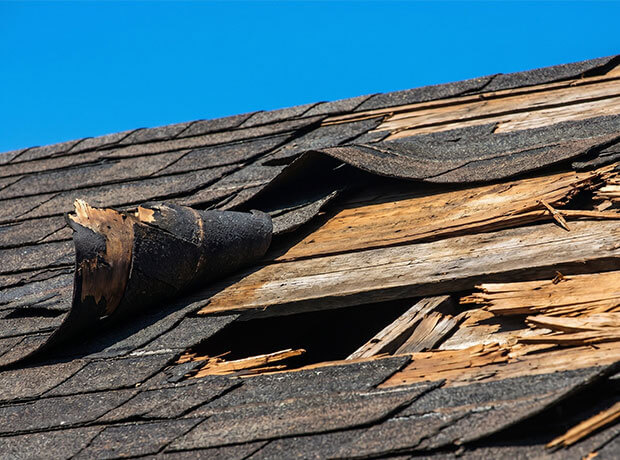
Lifted or missing shingles

Wind can break the seal beneath shingles without removing them completely.

Damaged ridge caps

Ridge areas take significant wind exposure and can loosen or break during a storm.

Hail impact

Hail can bruise shingles and remove protective granules, even when the roof looks intact from the ground.

Fallen limbs and debris

Branches can puncture shingles, damage decking, and affect the underlying roof structure.

Flashing and vent damage

Storms can loosen or bend the metal components that protect vulnerable roof details.

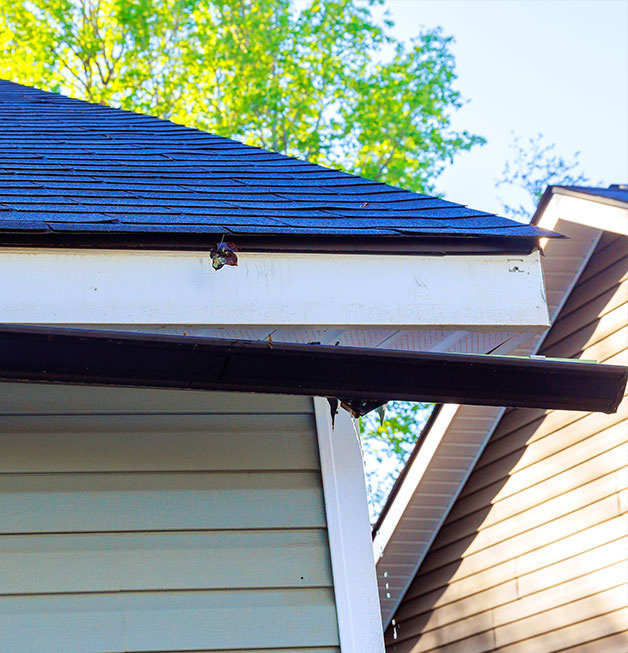
Gutter and fascia damage

Wind and falling debris can pull gutters loose or damage the roof edge.

Water intrusion

Storm damage can allow water into the attic, insulation, decking, walls, and ceilings.

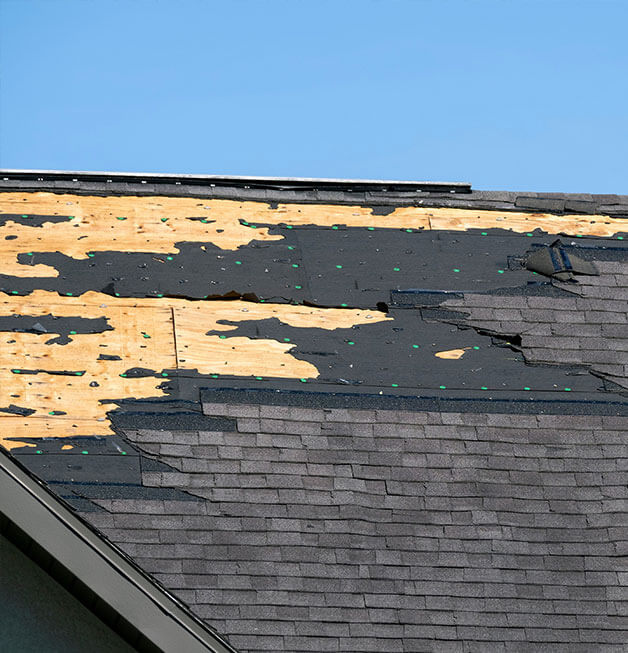
Revealing missing asphalt shingles caused by strong storm winds
Lifted or missing shingles
Revealing roof ridge damage after severe wind and storm exposure
Damaged ridge caps
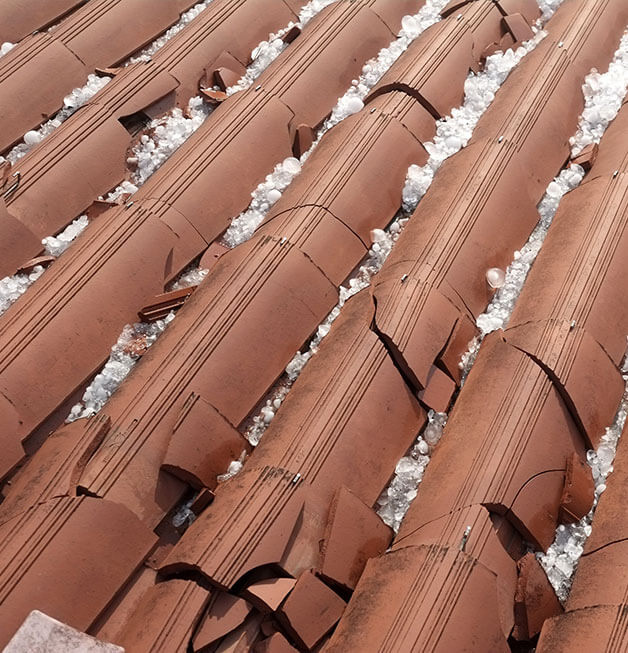
Identifying hail impact marks across asphalt shingles after a storm
Hail impact
Documenting fallen tree limbs and debris resting across a damaged roof
Fallen limbs and debris
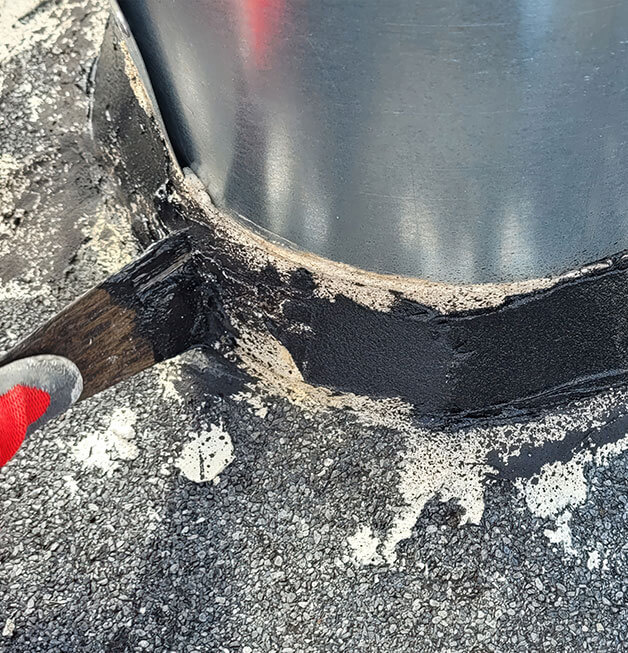
Highlighting damaged roof flashing and vents after strong storms
Flashing and vent damage
Revealing storm damage along a home's gutter, fascia, and roof edge
Gutter and fascia damage
Tracing water intrusion and moisture damage inside a residential home
Water intrusion

What Happens After
the Inspection?

Once we know the extent of the damage, we’ll walk you through your options.

Repairing damaged roof sections following severe storm exposure
Repair

If the damage is localized, we may recommend repairing the affected areas and keeping the rest of the roof in service.
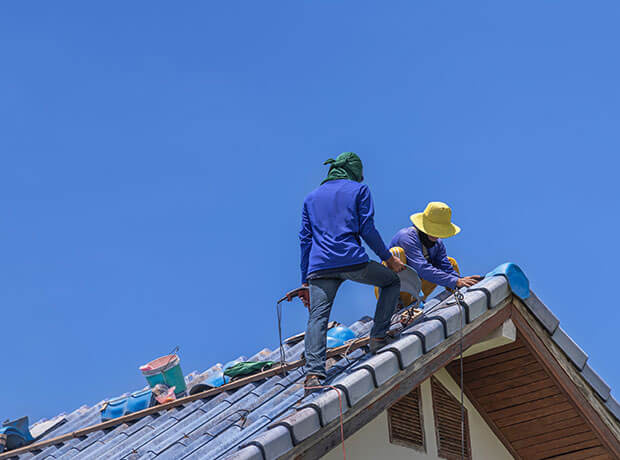
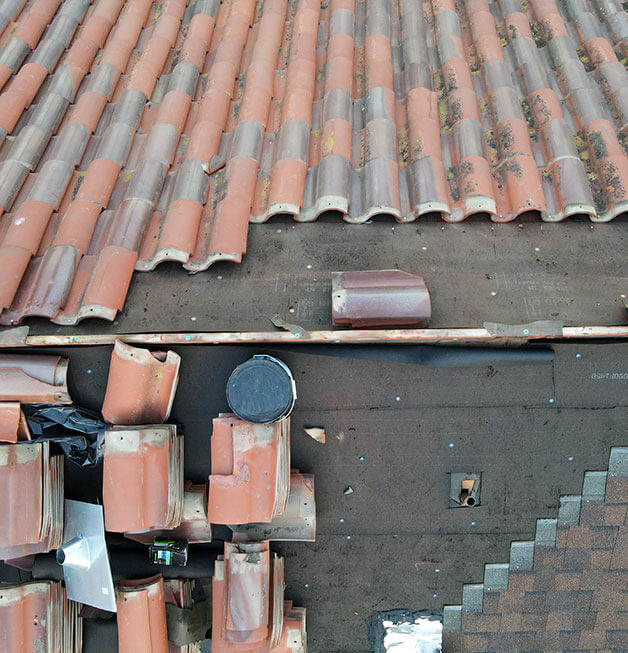
Replacing damaged roofing materials after severe storm exposure
Replacement

If the storm damage is widespread or the roof was already nearing the end of its useful life, a full roof replacement may be the better long-term option.
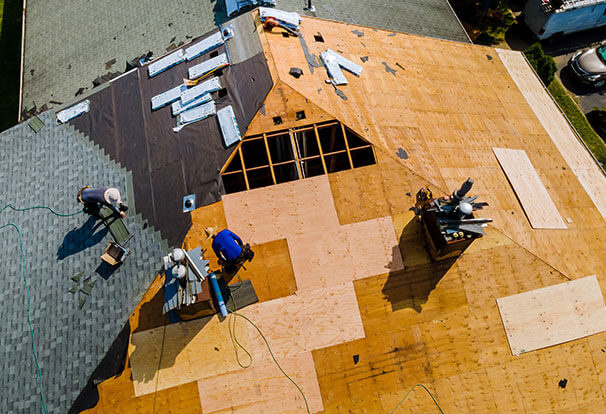
Either way, you’ll have the photos, information, and recommendation you need to decide how to move forward.

Why Homeowners Call a Local Roofing Team After a Storm

Storm damage creates a short window when your home needs attention. A local team can inspect the roof, provide temporary protection when needed, and remain available through the repair process.

Charleston Roofing and Exteriors is based in West Ashley and serves homeowners throughout Charleston and the surrounding 40-mile area. Your project manager stays involved, our own crews handle the work, and you have a local team you can reach after the storm has passed.

Featuring a local roofing crew repairing storm-damaged roofing

Get a Free Storm Damage Roof Inspection in Charleston, SC

Not sure what the last storm did to your roof? Let us take a look.

We’ll inspect the roofing system, document what we find, and explain what needs attention so you can make an informed decision for your home.

Call (854) 222-7118 or request your free storm inspection online.

Frequently Asked Questions

Often you cannot tell from the ground. Lifted shingles reseat and look normal. If your area is affected by high winds or hail, get a free inspection rather than waiting for a stain to appear on the ceiling.

Policies vary, and most have deadlines, so do not wait. Document the damage and contact your carrier as soon as possible.

Yes, and it is usually the first thing we do on a storm call.

Sudden storm damage frequently is; normal wear and aging generally is not. Your policy and your adjuster decide, and our documentation supports your case either way.

Still worth an inspection. Water damage compounds quietly, and an unsealed shingle does not fix itself.

Yes. We can make temporary repairs right away to keep water out. If you plan to file a claim, we recommend documenting the damage before permanent repairs begin.

As soon as it’s safe to do so. Some storm damage is easy to see, while lifted shingles, damaged flashing, and hail impacts can be difficult to spot from the ground. A timely inspection can identify problems before the next rain turns them into interior water damage.

That is part of our inspection. We look at the condition of the roofing system and document what we find, including damage consistent with wind, hail, falling debris, age, or normal wear. We’ll explain the difference and show you the areas we’re referencing.

We’ll provide photos of the damage we found, explain what needs attention, and recommend the appropriate next step. Depending on the roof’s condition, that may be emergency protection, a repair, or a full replacement.

(854) 222-7118 Request an Estimate